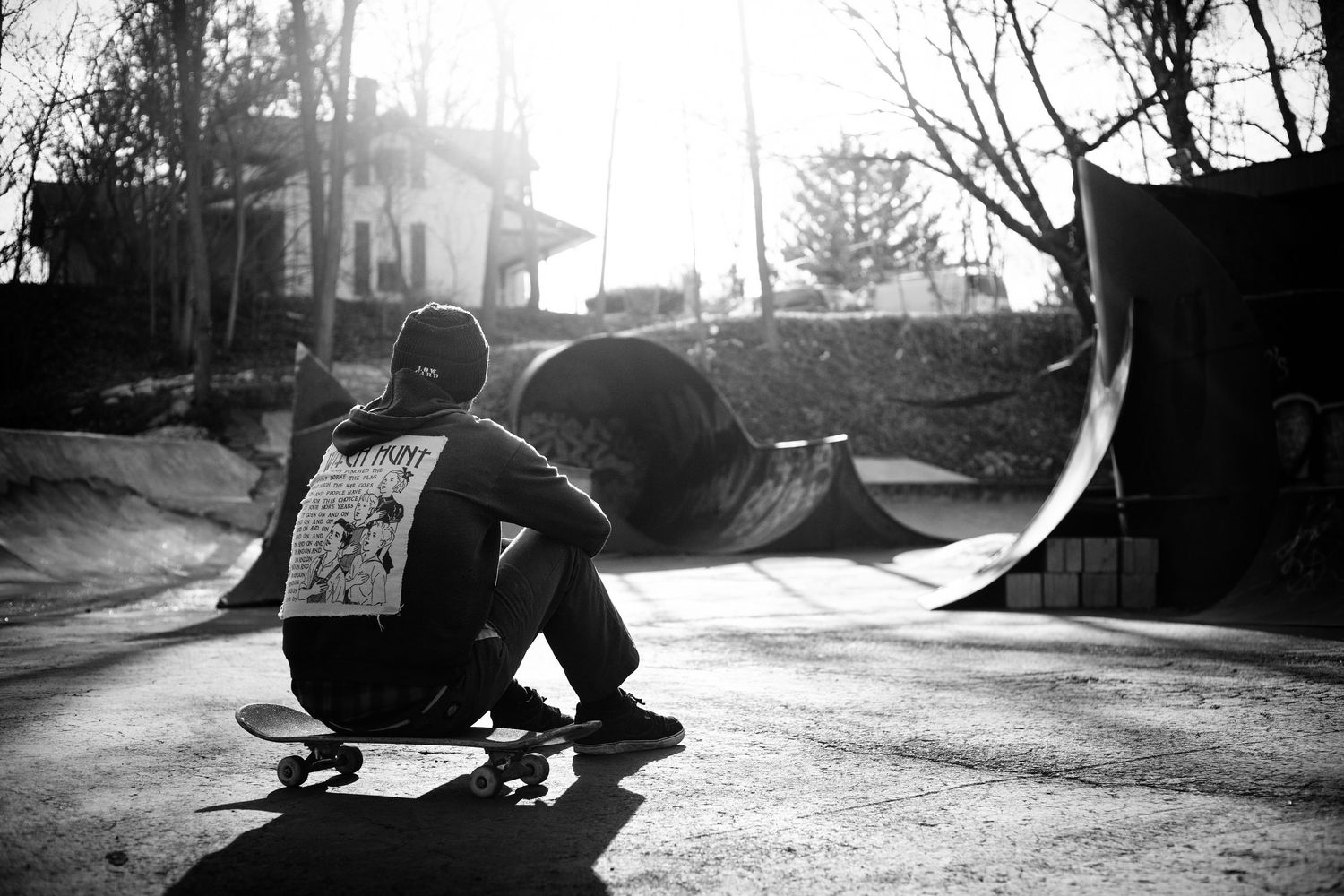
My photography was simple in 2009...
I had just picked up a camera for the first time, and mostly, I was still just trying to figure out how to use the thing while taking pictures of my friends skateboarding and riding bikes. I had grown up around skateboarding and BMX, so picking up a camera felt like a pretty natural way to stay connected to those worlds. At first, I was basically just trying to make the kinds of photos I saw everywhere at the time. Magazines like Transworld and Thrasher were full of people doing crazy tricks, so in my 17-year-old mind, catching those same kinds of moments was obviously the whole point of having a camera.
Over time though, my approach started to change. I was still taking pictures of tricks and people riding, but quieter, more “in-between” moments started showing up in my work too. At the time, I don’t think I really had the vocabulary or the skill to explain why those moments interested me so much. But now, half a lifetime later, I recognize that it's because they helped tell the story. Everybody wants to see the big trick. Those photos are exciting, direct, and larger than life. But they’re also pretty concrete. They show that something happened. The smaller moments do something different. They connect those bigger moments to the people, the place, and the feeling around it all. They aren’t dramatic in the same way the action photos are, but they have their own weight.
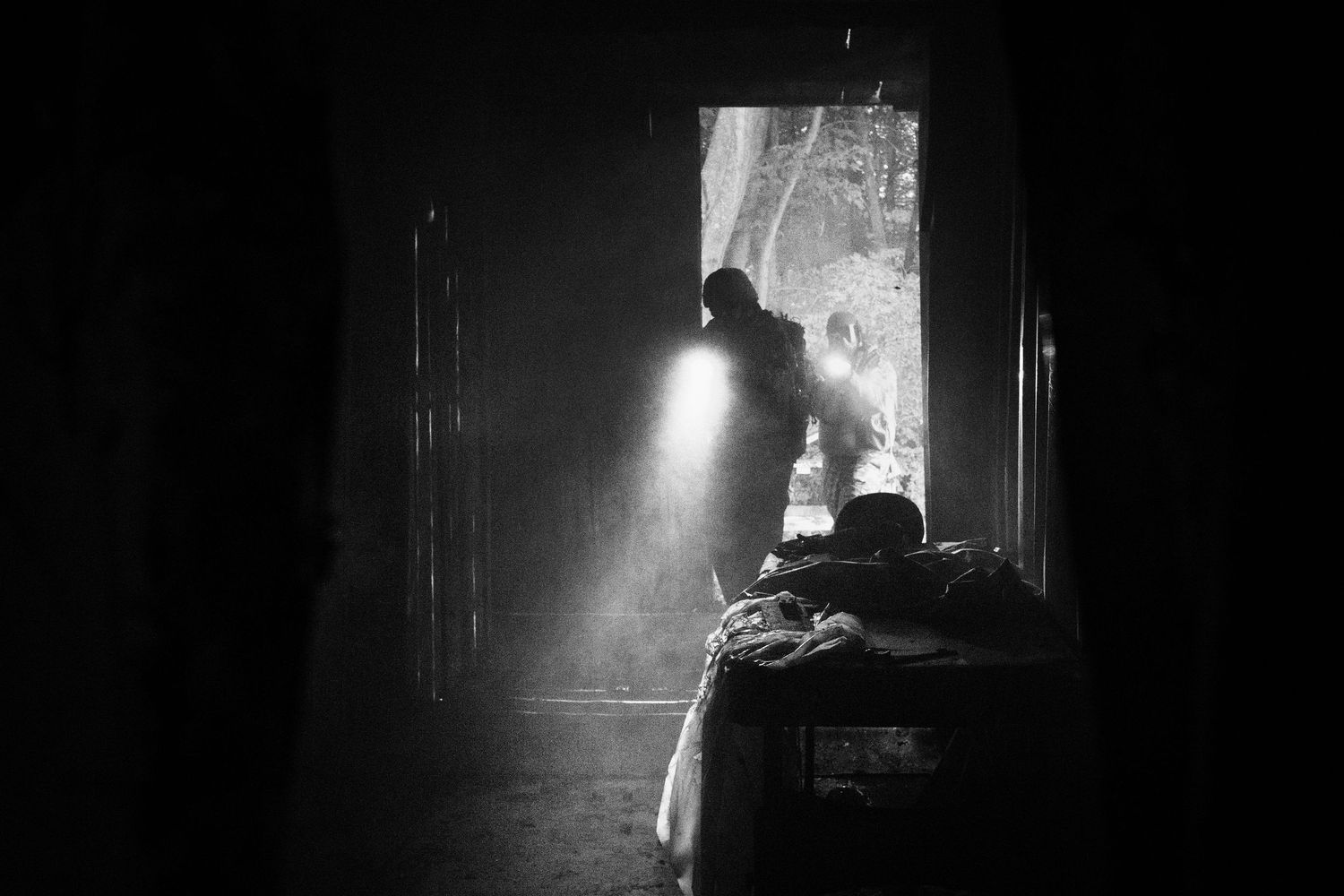
Years later, I added airsoft and paintball to the list of things I photographed. In a lot of ways, those subjects started similarly to skateboarding and BMX. It was mostly just me and a group of friends who played airsoft once a month, and happened to have access to the facility outside of normal game days.
Obviously, photographing skateboarding, BMX, airsoft, and paintball are very different things. The movement is different. The environments are different. The way you position yourself is different. But the thread that carried through all of it was the same: I was still interested in the context around the action. The people, the place, the downtime, the atmosphere, and the little moments that helped the bigger ones make sense.
Later on, I started working as an event photographer for EMR Event Park in New Milford, Pennsylvania. That role gave me steady access to airsoft and paintball, and over time, it became one of the main places where I built that side of my work. I photographed a lot of events, met a lot of people, and made a lot of images there that I still care about. But after several seasons, I could feel the routine settling in. I knew the field. I knew the flow of the events. I knew the kinds of photos people wanted from me. And even though I still enjoyed the work, I started to feel like I was relying too much on the same rhythms every time I showed up with a camera.
So, my work slowed down. It wasn’t that I stopped enjoying the process of making photographs. I still made some images during that stretch that I’m genuinely proud of. But those images were becoming fewer and farther between as my focus shifted more and more toward producing a larger quantity of usable pictures, rather than chasing the kinds of images that actually inspired me.
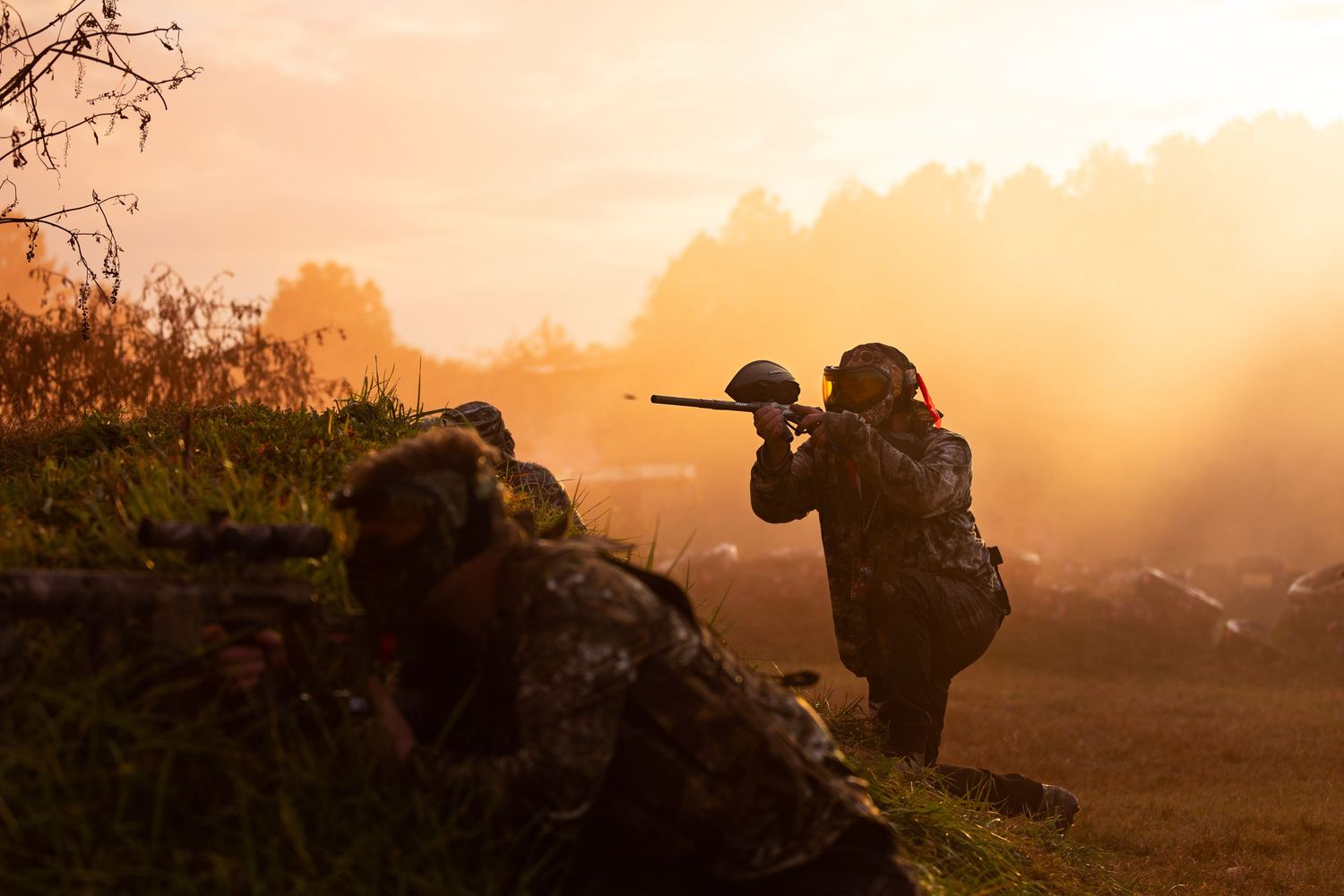
Once the game started, I still had to do the thing I was there to do. I had to photograph paintball. I had to move through the field, find the action, pay attention to where people were going, and make the kind of images people would expect from an event like this. In that sense, it was still coverage. But it didn’t feel quite as boxed in as it had started to feel back home. I didn’t know the field the same way. I didn’t know where everything would happen, or what the light would do, or what parts of the event would end up mattering most. That made it harder in some ways, but it also made it more interesting. I had to actually look again.
Once I got the lay of the land, that started to feel refreshing. The event was still chaotic, and I was still trying to make sure I came home with images that worked, but I wasn’t moving through it on autopilot in the same way. I was paying attention differently. The field was unfamiliar enough that I couldn’t just rely on the same habits, and that forced me to respond to what was actually in front of me. I was still making action photos, but I wasn’t only thinking about action. I was thinking about how the place felt, how people moved through it, and how the images might eventually fit together.
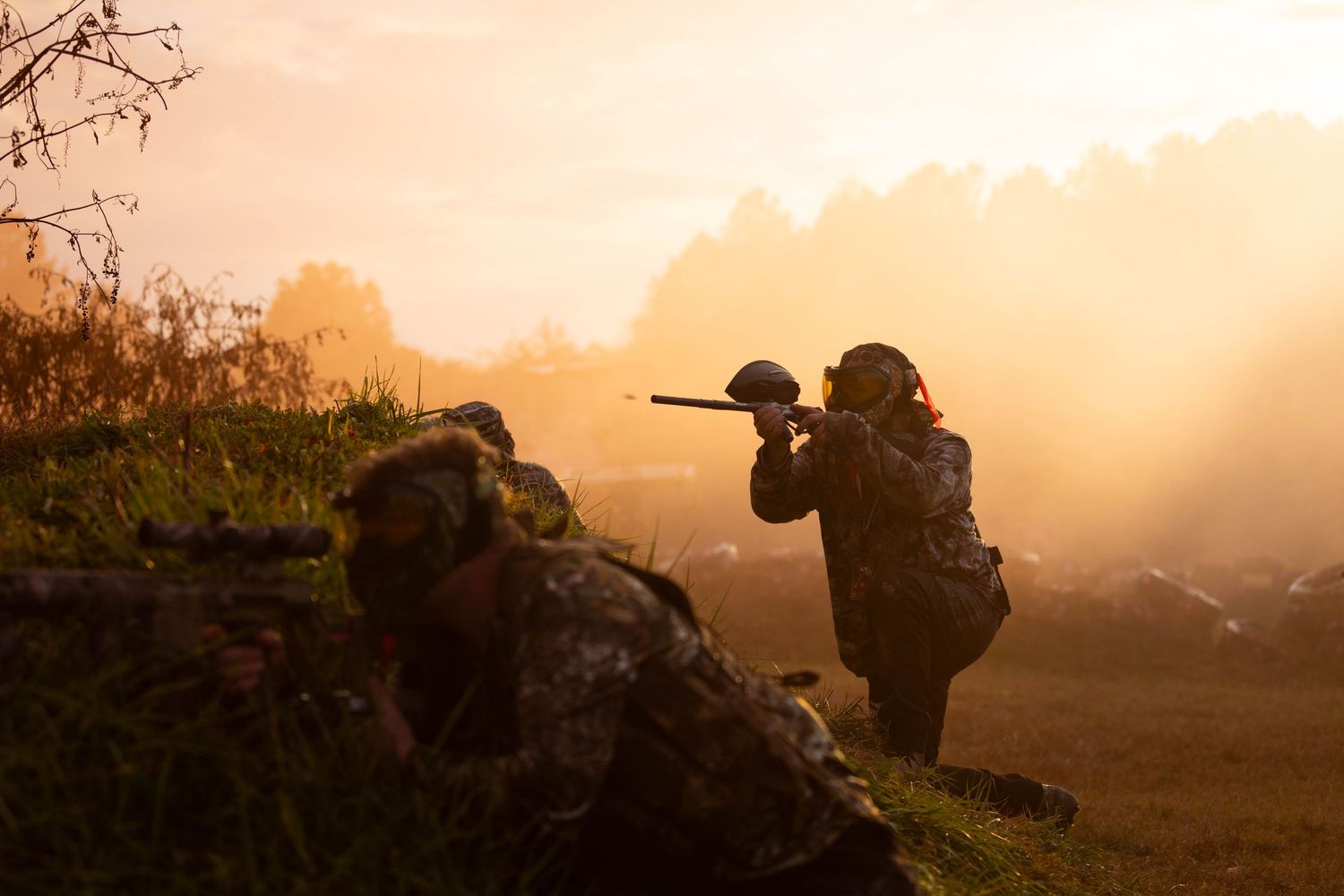
That same evening light came back during the first night of the event, and that helped something click for me. The light through the field, the smoke, the players moving through it, the whole thing suddenly felt connected to that quieter photo from camp the night before. They were completely different kinds of images, but they felt like they belonged to the same project. That was the part I had been missing for a while. Not just making a good photo here or there, but making images that felt like they were speaking to each other.
It also helped that I let myself actually experience the event instead of only treating it like something I had to document. That sounds obvious, but it’s easy to lose sight of when you’re behind a camera. You start thinking in terms of coverage, shots, deliverables, and whether you have enough usable images to justify being there. At Fulda Gap, I still cared about all of that, but I also let myself be part of the weekend. I spent time at camp. I talked to people. I rode through the field in an armored vehicle near the end of the game. I watched the event wind down instead of treating the last whistle like the end of the story. Those things mattered because they gave the photos somewhere to live. They turned the event from a subject into an experience.
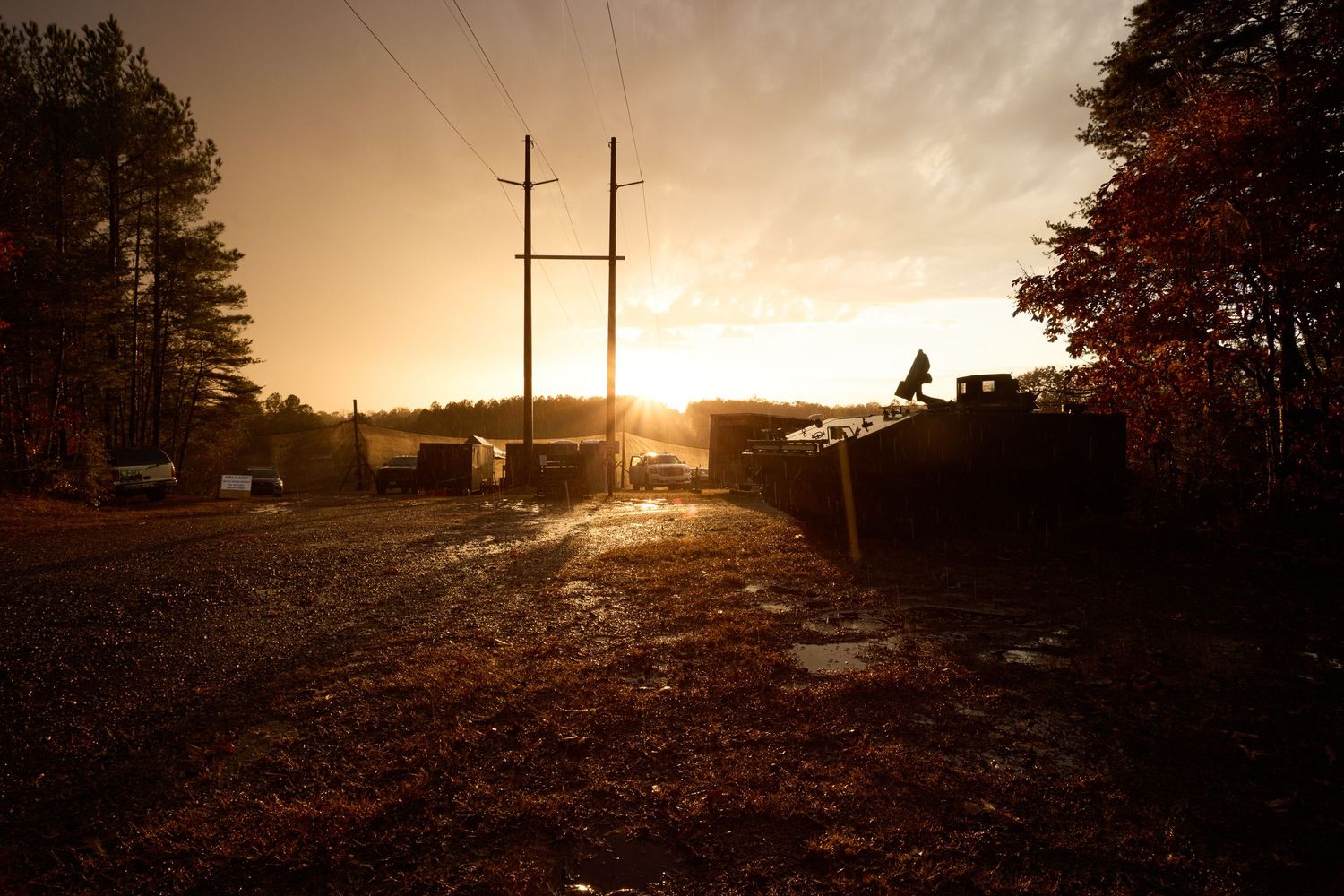
Near the end, that light came back again, but differently. People were packing up, the field was emptying out, and rain started moving through camp. The event was basically over by then, but visually, it felt like one of the most important parts of the whole weekend. That same kind of light that had been there at the beginning was there again at the end, only now everything had changed around it. The weekend had happened. The game was over. People were leaving. The rain made the whole thing feel temporary in a way I probably would have missed if I had only been thinking about coverage.
That was when the project started to feel like more than the event I had gone there to photograph. When I started making the video, I thought I was making something about Fulda Gap and the experience of traveling to cover it. That was still true. But the longer I worked on it, the more I realized it had become about something else too. It was about trying to reconnect with the parts of photography that had started to feel distant from me. The action mattered, but it mattered more because it had context around it. The action still mattered, but it mattered more once it had something around it. The trip down, the time at camp, the quiet photo before the game, the light during the event, and the rain at the end all helped turn the weekend into something with a shape.
That was where the idea of resurgence started to come from. Not in some huge, dramatic way, and not because one trip magically fixed burnout. It was smaller than that, but it was real. Fulda Gap reminded me that I could still enjoy coverage when I approached it with more intention. It reminded me that I could still find something new in these worlds when I stopped treating the work like a checklist. And maybe most importantly, it reminded me that the thing I had been chasing was never just a better gallery. It was a better way to tell the story around the gallery.
That was frustrating, because I still loved photography. I still loved these sports, and I still cared about the communities I had become a part of. But somehow, I felt more disconnected from all of it than I ever had. The problem was that I wasn’t really approaching the work like storytelling anymore. I was covering events. I was making galleries. I was getting usable photos of players, teams, and moments from the weekend. And there’s nothing wrong with that. That work has value, and I know people appreciate having those images. But somewhere along the way, the part that inspired me most started getting pushed to the side. The atmosphere. The quiet moments. The sense of place. The details that make a weekend feel like more than just a collection of action shots. Those were the things that made me want to pick up a camera in the first place. And the further I got from them, the harder it became to feel connected to the work.
Part of the frustration was that I could feel my taste changing faster than my ability to execute it. I knew I wanted the work to do more than show what happened. I wanted more context, more atmosphere, and some kind of thread tying the images together. But I didn’t always know how to actually build that into the way I was photographing events.
So when I had the opportunity to travel to North Carolina for Fulda Gap in November 2025, it felt like a chance to do something a little different. I would still be photographing paintball, and it would still be event coverage. But it wasn’t another weekend at the same field, following the same rhythm, making the same kind of gallery I had made before. It was a trip. It had a story built into it. It had a beginning, a middle, and an end. And being 600 miles away, it also implied a degree of hardship and perseverance. It gave me a reason to think about the work as something larger than coverage. Not just a set of photos from a weekend, but a project I could actually build around the experience.
I didn’t really know how that was going to work yet. I just knew I wanted to pay attention to more than the action. So I started with the trip itself. I packed my gear, met up with my buddy Timmy, and spent the day on the road. I filmed what I felt was useful. Ranging from gas station eggs to our camper pulled over on the side of the highway. Eventually we pulled into camp well after dark. None of that was the event. From my usual perspective, this was all just preparation. But it was part of the experience. And if I wanted the final piece to feel like more than a gallery, then those parts had to matter too.
That said, I still didn’t fully understand how much those parts mattered yet. Once we were there, I mostly waited for the event to start. I made coffee, made several rounds of breakfast a day, sat around camp, got some work done, and killed time while more people slowly arrived. Looking back, that’s one of the first things I would do differently. I should have photographed more of that. The griddle. My lawn chair. The gear scattered around camp. Any one of the mundane little things that happened every day and felt completely ordinary at the time. Those moments felt like filler, and I didn’t realize their significance until later. At the time, it felt like the real story would begin when the game did. But really, it had started the moment I said yes to the opportunity.
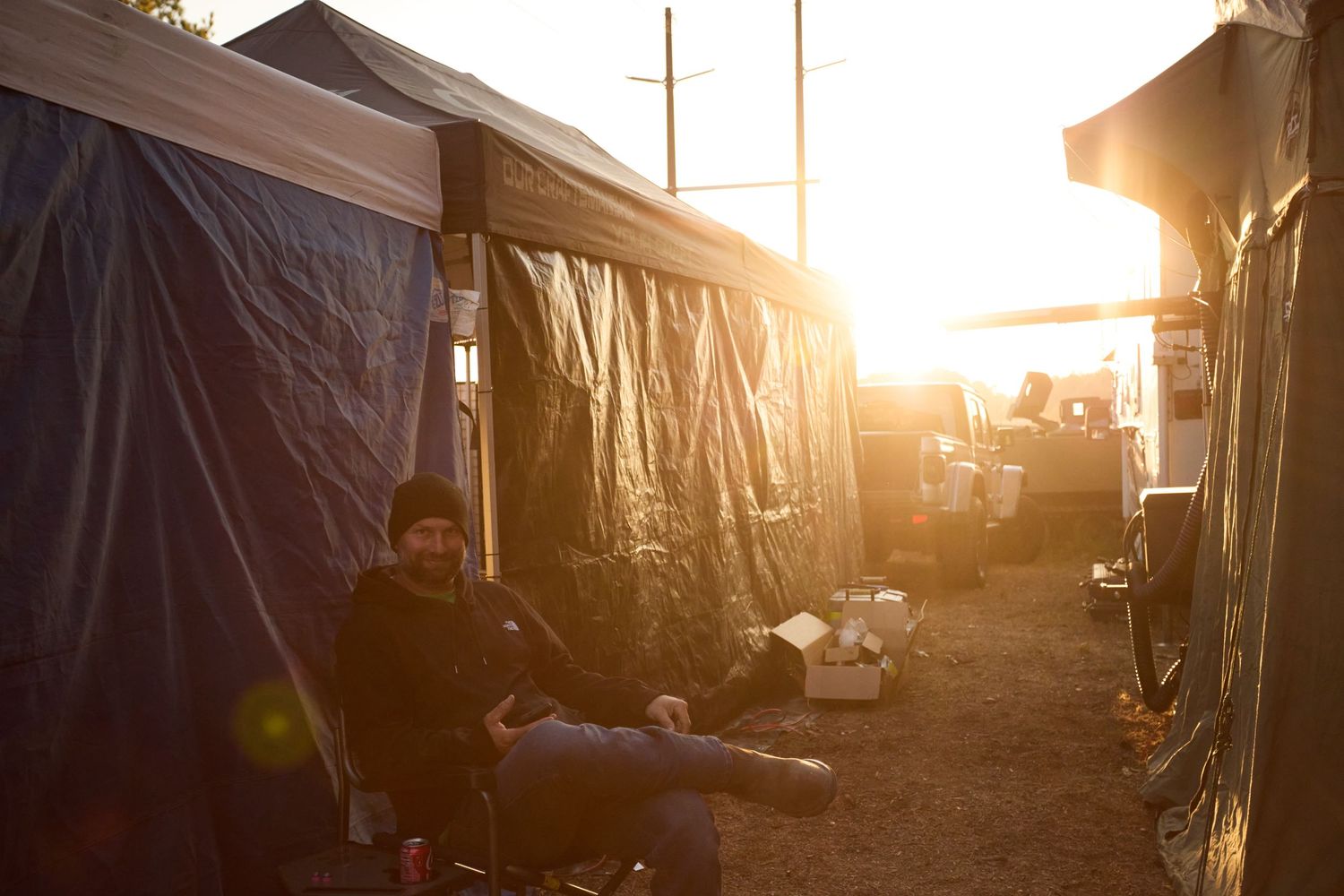
The first photo from the trip that really felt like it belonged to the project came later, the night before the game started. The sun was dropping over camp, and I made a photo of my friend sitting in that light. Nothing especially important was happening, at least not in the obvious sense. It wasn't an action shot and it wasn't really coverage in the way that I was used to thinking about coverage in the context of a paintball event. But that was part of why it worked. It felt like the first image from the trip that pointed toward what I was trying to make. It wasn't just a record of the game. It was a piece of the experience around it.